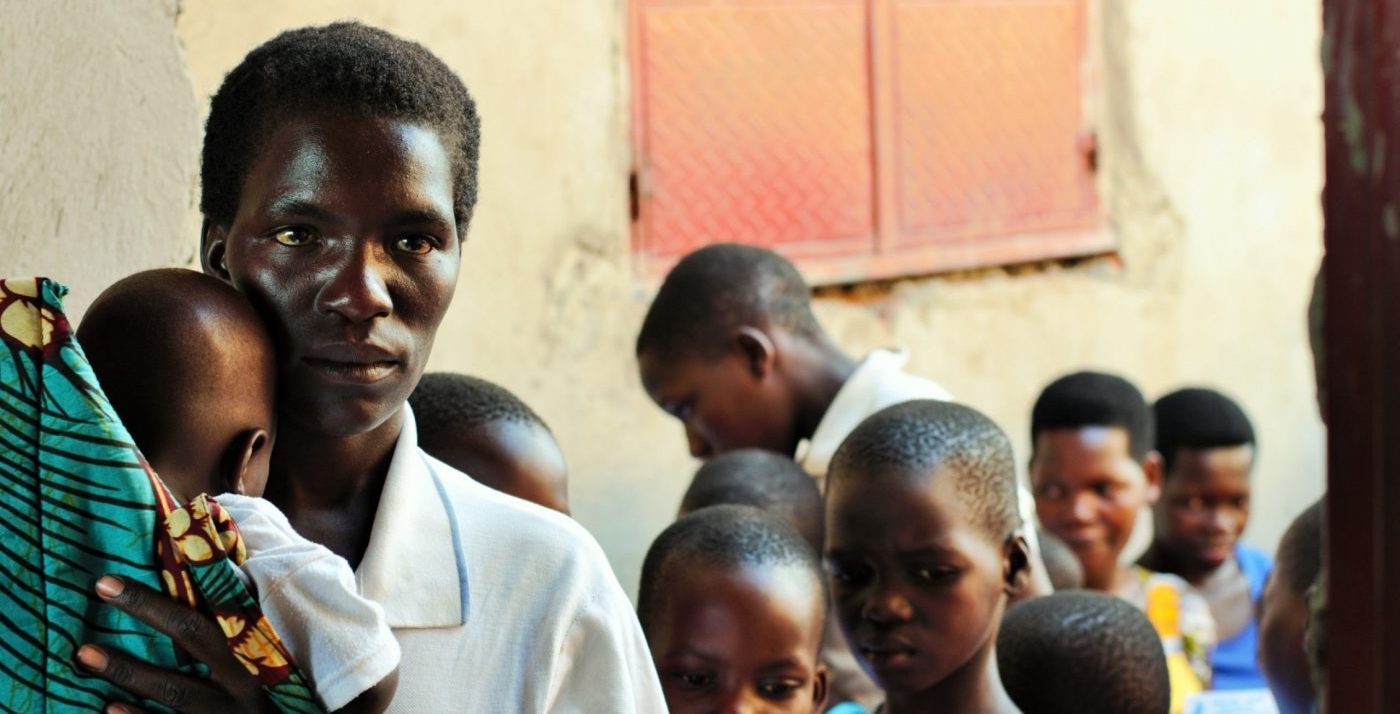

Child Hug Uganda (CHU) is a youth-led not-for-profit indigenous organization established in 2011 in Lira City, Northern Uganda. Its registered with the National Bureau for NGO (Reg.No: MIA/NB/2023/02/5513), and with Lango Civil Society Network (Reg. No: LA/NGO/LR/0011).
CHU operates in Lira, Kole, Oyam, Kwania, Alebtong, Otuke districts, Lira City and other neighbouring districts in Lango sub-region, Uganda.
Core Focus Areas:
- Health:
- Through family health interventions of strengthening healthcare delivery systems, improving maternal, newborn, and child health services, Malaria prevention, WASH, Family planning services, SBCC, and SRH programs.
- Through addressing HIV/AIDS and TB prevention and management.
- Education:
- Through supporting vulnerable children’s access to quality education by sponsorship programs and improving education outcomes.
- Youth Empowerment:
- Through providing vocational training and skills development to uplift young people.
- Child Protection:
- Through safeguarding children’s rights and promoting their well-being.
- Research:
- Through collaborating with public institutions to conduct research on health and social issues to inform policy and practice.
Strategic Objectives:
- Strengthen community health systems for delivering high-quality health services in collaboration with the Ministry of Health, local governments, and other partners.
- Enhance staff and healthcare professional capacity through partnerships with universities, the Ministry of Health, and NGOs.
- Promote healthy behaviours using Social behavioural Change Communication (SBCC) approaches.
- Increase healthcare access for marginalized and vulnerable populations.
- Support quality education and youth empowerment initiatives.
PROGRAMME STRATEGIES AND Approaches;
- Prioritize strengthening of existing structures and community systems for sustainable delivery of programs
- Research and Community Quality Improvement (CQI), CHU focuses on using evidence-based and tested approaches as an approach for the delivery of impactful, quality, and sustainable empowerment programs.
- Prioritization of strategic use of data for planning, targeting, and delivery of programme interventions.
- Community-facility systems strengthening.
- Expanding innovation through the delivery of integrated services.
- Community Empowerment and engagement of the program beneficiaries and stakeholders
- Capacity Building through training, mentorship, and supervision, including QI community health workers.
- Quality Service Delivery by supporting service delivery to clients with a focus on continuity in treatment and adherence, improved diagnosis, and HIV/TB disease monitoring.
- Support improved data management and reporting, including utilization for continuous program improvement.
- Child sponsorship.
- Community group approach. CHU employs the use of community groups as another strategy and approach to their implementation.
- Peer-led approach: this is where CHU works with young adolescent girls, young women, and VHTs in the community to increase the uptake of family planning and MNCH services among these age groups.
- Youth empowerment through vocational training
KEY Activities UNDERTAKEN FROM 2022-2024.
- Family Health Activities on; Empowering Communities for Sustainable Health Outcomes in Kole District, with funding from USAID Uganda Health Activity (UHA), April 2024-July 2025.
- Research project Activities on WASH: Improving WASH practices among the elderly people and persons with disabilities in Okwerodot, Kole district with funding from FINGO-POWER BANK, Finland from Feb-Dec 2023.
- HIV/TB Activities on: Community Health Systems Strengthening for Increased Access to Quality HIV/AIDS and TB Services in Kole, Oyam and Kwania districts with funding from USAID JCRC/LPHS-Kigezi and Lango, October 2021-July 2023.
- Family Health Activities on: Better health for Mothers and Children in Kole District with funding from USAID-RHITES North Lango, March 2020-June 2022.
- Reproductive Health Education Activities with a focus on: MHM trainings in primary schools with funding from Danish Ministry of Foreign Affairs and Danida Fellowship Centre 2018-2019.
KEY ACHIEVEMENTS from 2020-2024.
- 130Village Health Teams trained to support community health interventions on MNCH, FP, Malaria, WASH, Nutrition, SBCC, Referrals.
- 37,000 + clients tested for HIV from Kole, Oyam and Kwania districts
- 11,829 + pregnant mothers and 629 exposed infants referred for eMTCT services
- 31 vulnerable children enrolled in schools through our sponsorship programs.
- 470 pregnant women grouped at community level through G-ANC model to provide an integrated ANC services to them within the group.
- Registered significant gains in maternal and child health, including
increased antenatal care attendance where first-trimester ANC
improved from 33% to 51%, ANC 4 from 45% to 67%, PNC at 6 Weeks
from 47% to 97%, Facility delivery from 45% to 69% (DHIS2 Data FY 2021
2022) - Research on improving WASH practices among elderly people and
persons with disabilities in Kole District, with a notable rise in handwashing
coverage from 4% to 20.3% in the FY 2021/2022 (Subcounty Sanitation
Data Base). - Documented 15 success stories on MNCH, Nutrition, and Family
Planning. - Developed and presented an abstract during QI conference with
MoH titled “Village Health Teams improving group antenatal care
attendance and outcomes in Kole District in 2020” - Represented CSOs in Uganda at the panel during USAID RHITES close
out and USAID UHA launch event on 30th June 2023 on: “the role of
Civil society organizations in mobilizing communities to demand quality
services but also discouraging negative behaviors and practices that
negatively impact access to health service delivery” - Empowered 47 young adolescent girls and boys from 3 primary schools
in Lira district to empower them with Menstrual hygiene Management
knowledge, and practical skills in making of reusable sanitary pads to
promote school retention, and 6 young adolescent girls in tailoring and
8 in saloon management and practical skills to enhance their financial
independence.
LESSONS LEARNT
- More community health integrated outreaches conducted by facilities coupled with good mobilization increases the number of immunization defaulters vaccinated during outreaches.
- Integrating WASH messages and practical sessions to include illustration of the steps in setting up tippy tap during group meetings enhances establishment of sanitary facilities at household level.
- VHTs bridge the gap between the community and the health facilities.
- CSOs working regularly with the VHTs reach many vulnerable persons who can’t move to health facilities.
- G-ANC facilitates delivery of integrated services to expectant mothers.
- The more G-ANC and Care groups established; the more pregnant and lactating women reached.
- The orientation of the VHTs allows early detection of complication in pregnancy, in children especially newborn among others.
KEY CHALLENGES
- Funding Limitations: Inadequate continuous funding for activities, limiting CHU’s ability to expand its scope.
- Transport Constraints: Insufficient field transportation for staff, especially in hard-to-reach districts.
- Limited partners to collaborate with.
FUTURE PLANS
- Expand partnerships with universities, the Ministry of Health, local governments, and NGOs to broaden CHU’s program and geographical scope.
- Focus on documenting and disseminating evidence-based interventions.
- Enhance donor engagement and seek support for operational equipment such as vehicles and laptops.
- Upgrade the CHU Clinic to a Health Center III for sustained delivery of community health interventions.
CALL TO ACTIONS
CHU seeks to engage with like-minded donors, governments, Private sectors, CSOs and development partners to scale up impactful community interventions and support its strategic plans. We invite collaborative efforts to address healthcare and education disparities for vulnerable groups in Lango sub-region, Northern Uganda.
ACTIVITY PHOTOS
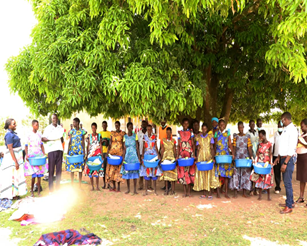
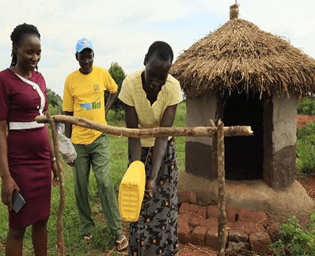
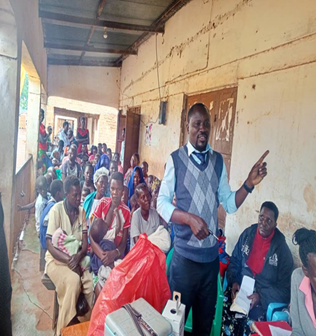
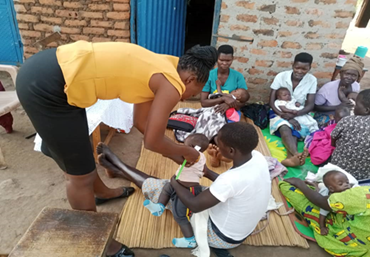
CHU-WASH & Nutrition Officer conducting Nutrition Assessment at Okwerodot sub county 18th/6/2024 during a care group meeting to children 0-23 months.
 Child Hug Uganda